



Disclaimer: I am not a tax professional. This article is for informational purposes only. For personalized tax advice, consult a qualified tax professional.
How the Mortgage Interest Tax Deduction Works
Owning a home comes with significant financial responsibilities, but it also provides valuable tax benefits. One of the most well-known deductions is the mortgage interest tax deduction, which can help homeowners reduce their taxable income.
What is the Mortgage Interest Deduction?
The mortgage interest deduction allows homeowners to deduct the interest paid on their mortgage from their taxable income, potentially lowering their overall tax bill. This deduction applies to interest paid on loans used to:
- Purchase a primary or secondary home
- Build a home
- Make significant home improvements
Who Qualifies for the Deduction?
To claim the mortgage interest deduction, you must:
- Have a mortgage on a qualified home (your primary or secondary residence)
- Itemize your deductions instead of taking the standard deduction
- Have a loan amount within IRS limits
For tax year 2024, homeowners can deduct interest on mortgages up to $750,000 ($375,000 for married filing separately). If your mortgage originated before December 15, 2017, you may deduct interest on loans up to $1 million ($500,000 if married filing separately).
How to Claim the Deduction
- Receive Form 1098 – Your lender will provide this form, detailing how much interest you paid.
- Itemize Deductions – File Schedule A (Form 1040) instead of taking the standard deduction.
- Calculate Your Deduction – Only the interest portion of your mortgage payment is deductible.
Other Homeownership-Related Tax Deductions
1. Property Tax Deduction
Homeowners can deduct up to $10,000 ($5,000 if married filing separately) in state and local taxes, including property taxes.
2. Mortgage Points Deduction
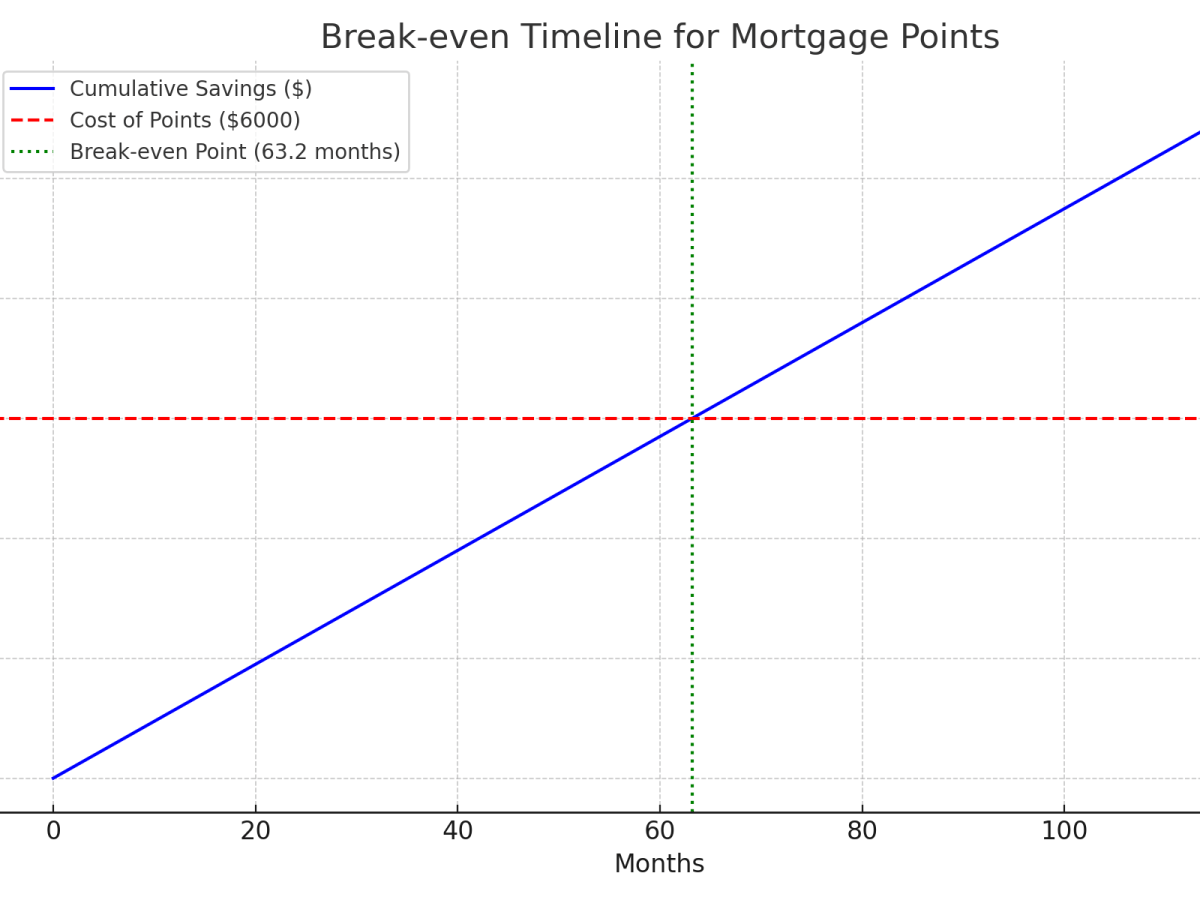
If you paid discount points to lower your mortgage interest rate when buying a home, you might be able to deduct them. Points paid for a refinance must typically be deducted over the life of the loan.
3. Home Office Deduction
If you use part of your home exclusively for business, you may qualify for a home office deduction, covering:
- A portion of mortgage interest & property taxes
- Utilities & maintenance costs
- Depreciation on the space
4. Energy-Efficient Home Improvements
Homeowners who make energy-efficient upgrades can qualify for tax credits, such as:
- Energy Efficient Home Improvement Credit – Covers insulation, energy-efficient windows, doors, and HVAC systems (up to $3,200 per year).
- Residential Clean Energy Credit – 30% credit for solar panels, geothermal heat pumps, and battery storage systems.
5. Capital Gains Exclusion (When Selling Your Home)
If you sell your primary residence, you may exclude up to $250,000 ($500,000 if married filing jointly) in capital gains from taxation, as long as you have lived in the home for at least two of the last five years.
Owning a home comes with tax benefits that can save you money. However, tax laws are complex and subject to change. Always consult a tax professional to ensure you maximize your deductions while staying compliant with IRS rules.
Photo by Kelly Sikkema on Unsplash
 Bay Area Homebuyer
Leave a comment